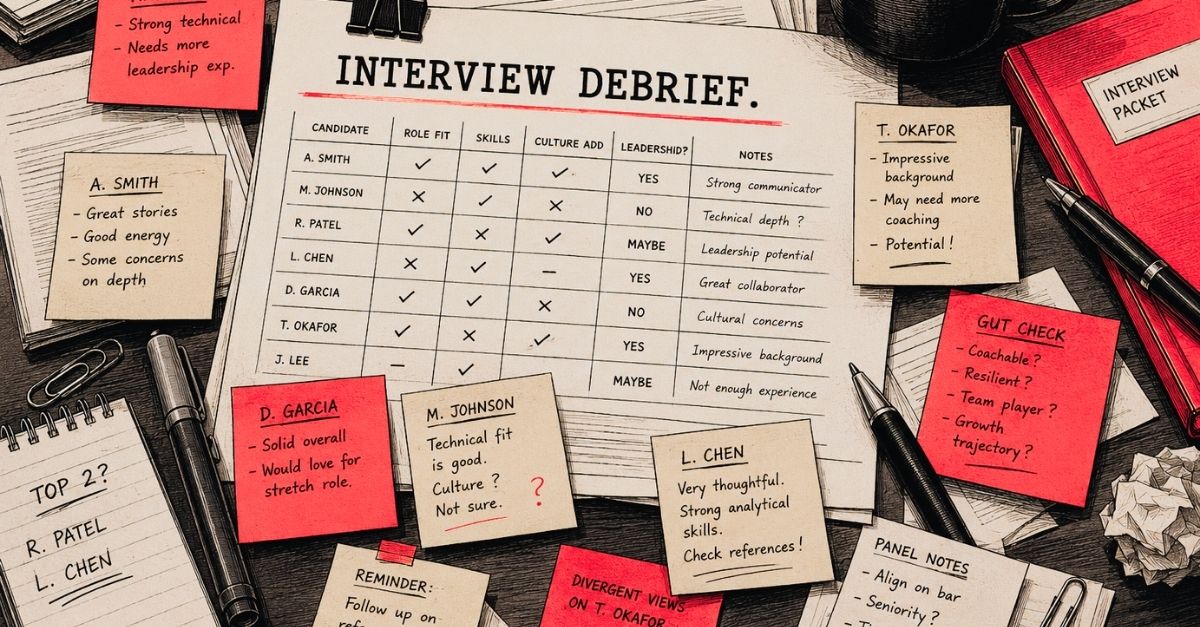
It seems like everyone has a bad manager story. The one who micromanaged every task they assigned you. The one who seemed to always change their mind about what they wanted. Few things are more frustrating than having to deal with a manager who isn’t very good at their job. So if you’ve recently found yourself in a management position, you probably know how important it is to get the job right.
In this article, we’re going to look closely at what management skills are, including their different types and the most important ones to learn, then share some tips on how you can hone them yourself.
What are people management skills?
People management skills are the interpersonal abilities that determine how effectively a manager leads, develops, and retains their team. They’re less about technical expertise and more about how you communicate, build trust, and create the conditions for people to do their best work.
Why is it so important to develop your management skills
Managerial skills are at a premium, now more than ever. And while skills can be developed, it’s important to also give managers the tools they need to support their people. By leaning on behavioral data, you can run more efficient meetings, have more fruitful 1:1s, and drive engagement and performance every day, throughout the business.
Good managers aren’t born into the role. They’re trained, led, and developed, through a combination of soft and technical skills. And they’re the lifeblood of healthy, dynamic workplaces. Even as economic headwinds and industry shifts force businesses to stay agile, that’s not changing.
The 12 most important skills for effective management
Knowing where to start improving your management skills can feel daunting. With so many different aspects of the job, what should demand your attention the most? While this will ultimately depend on your unique management role, as well as the set of skills you already possess, the following list is a good place for you to begin.
1. Effective communication skills
All the technical skills in the world won’t matter if you can’t clearly and effectively communicate to others. As a manager, you need to be able to share your needs and expectations with your team, provide them with detailed steps for executing projects, and spell out the larger context for them when they have questions. This is a vital part of ensuring a streamlined work process, as well as the transparency and honesty required in a healthy workplace.
2. Leadership skills
Leadership skill is often spoken of as a natural ability, but it can be learned and improved just like anything else. Qualities of this skill include a talent for motivating and inspiring others, the ability to keep a team focused on a single goal without getting distracted, and a willingness to acknowledge and learn from mistakes. Highly skilled leaders are also highly empathetic and good strategic thinkers, with an ability to both quickly respond to changing situations and plan for long-term outcomes.
3. Strategic thinking
Good leaders enable their teams and employees to focus on their tasks at hand by taking on the responsibility of long-term, strategic thinking. This is a specific skill that involves knowing how to align everyday objectives with the organization’s larger mission, set priorities for the team and individuals on a weekly and monthly basis, and course correct as needed. Strategic leaders will also continually emphasize the big picture for everyone in order to keep their team aligned and productive.
4. Organization and time management
Managers rarely have the luxury of focusing on just one single task at a time. Instead, they must be good at juggling multiple projects, overseeing the work of others, and monitoring their team’s short- and long-term goals—often all at once. This requires a highly developed sense of organization and time management. More specifically, it will involve knowing how to properly prioritize different tasks, coordinate resources among different team members, and reallocate tools and personnel as needed. This will ensure all work remains on schedule and goals get accomplished.
5. Problem-solving skills
Effective managers have to know how to quickly solve problems for their team. This includes the ability to put in place preventative measures, as well as the knowledge of how to identify the root cause of a problem and come up with an effective solution. All this will require healthy and consistent attention to detail. In addition, good leaders should help their team develop these problem-solving skills themselves, enabling them to prevent and fix issues before they turn into crises.
6. Building trust
Trust isn’t something a manager can demand — it has to be earned through consistent behavior over time. That means following through on commitments, being honest when something goes wrong, and keeping employees informed rather than managing them in the dark. Transparent managers create an environment where people feel safe sharing ideas, flagging problems early, and asking for help without fear of judgment. When that kind of psychological safety exists, teams communicate more openly, take more ownership of their work, and are more willing to push through difficulty together. The payoff shows up not just in performance, but in retention. Employees who trust their manager are far less likely to look for work elsewhere.
7. Decision-making skills
The ability to make quick, informed, and well-thought-out decisions is another crucial skill required of leaders. But this doesn’t just mean choosing one option out of many. It means knowing how to build a framework for finding the information you need, weighing competing opinions against each other, and considering multiple different possible outcomes against the larger goals of the team. Knowing how to do this on the fly will prevent bottlenecks from turning into more serious problems.
8. Conflict management skills
Internal conflicts, whether between individual employees or different teams, will be an inevitable aspect of any manager’s job. But effective managers will know how to keep these conflicts from escalating into something worse. This will require a talent for actively and respectfully listening to both perspectives, then knowing how to come up with a resolution that is both fair and equitable. Leaders who can do this successfully will be better positioned to prevent internal rivalries and maintain a more cohesive and collaborative team.
9. Emotional intelligence
Effective leadership isn’t just about producing results or helping to maximize profits. It’s also about ensuring a healthy workplace culture for everyone. Emotionally intelligent leaders are well-equipped to do this because they have the skills and self-awareness to recognize and manage their own emotions, as well as the feelings of others. This will mean they’ll be much more sensitive to how their decisions affect the members of their team, and much more aware of other interpersonal conflicts. This kind of attention will help engender trust because it will show that the leader values individuals as much as the team’s or organization’s wider goals.
10. Adaptability
Projects transform, business needs change, resources dwindle, and, through it all, effective leaders know how to adapt. The ability to quickly recognize the need for change and implement necessary adjustments is a hallmark of a good leader. Learning this skill will require a high amount of situational awareness, including how the needs of stakeholders may be adjusting, the time and effort required to move around employees and resources, and the larger context of the wider industry. It will also depend on a talent for clear and consistent communication.
11. Fostering growth in employees
The best leaders understand that the most enduring path to success involves helping each team member fulfill their full potential. By prioritizing knowledge sharing, whether by sharing their own skill sets with others or organizing mentoring or coaching sessions between different employees, leaders can help their employees be better at their jobs, improve their resilience, and increase their productivity. Knowing how to nurture their employees in this way will also help increase confidence and morale throughout the team, setting everyone up for future success.
12. Accountability
Accountability starts with the manager, not the team. When leaders own their mistakes and adjust without deflecting blame, they set the standard for how everyone else handles setbacks. Employees take cues from how their manager behaves under pressure — and a team that sees consistent accountability from the top is far more likely to bring that same ownership to their own work.
Tips to boost your management skills
Once you’ve set your sights on some essential team management skills you’d like to develop, what’s the best way to go about getting better at them? First, be patient. Just like learning any new skill, you won’t get everything right at once. Instead, it will take some on-the-job practice. But as long as you stay the course and stick with some of the actionable steps below, you’ll soon start becoming a better and more effective manager.
- Self-assessment: Being aware of what you’re good at, as well as what still needs work, will help you round out your skills and meet your personal goals. If need be, seek out the resources or mentors who might be able to help you achieve these goals and, if possible, create a plan you can use to guide your growth.
- Continuous learning: Good managers know that, in order to keep improving, they have to keep learning. Try to seek out knowledge that you can use to make more informed decisions and that will help you support your team.
- Seeking feedback: Learning how to be better at your job should also involve those directly affected by it. By asking your own employees to give you feedback, you’ll be able to improve in the ways that mean most to them.
- Setting clear goals: Setting clear goals for your team not only gives them something to immediately focus on, but can also serve as a powerful source of motivation. Just remember to make sure these goals are realistic, as well as aligned with larger organizational objectives.
- Building strong relationships: Healthy professional relationships, like all relationships, start with trust. The best way to build this is by being transparent and inclusive. Involve your employees in important decisions, and always encourage them to share their opinions.
- Delegating effectively: Knowing how to distribute work and keep projects moving forward efficiently is one of a manager’s main jobs. Come up with a clear process for this. If needed, do a thorough skills assessment of your employees so you know who to put in charge of getting different kinds of work done.
Make better talent decisions across the entire employee lifecycle
Use science-backed insights to hire the right people, devleop stronger managers, and retain top performers- without relying on guesswork.
Building a complete set of management skills
The skills covered in this article aren’t personality traits — they’re learnable. Communication, trust, accountability, and emotional intelligence — managers who invest in developing these capabilities don’t just become better at their jobs, they build teams that perform better, stay longer, and weather difficulty more effectively.
The challenge is that most managers don’t get much structured support in developing them. They’re promoted for their technical or functional expertise, then expected to figure out the people side on their own. That gap is where a lot of preventable turnover, disengagement, and team friction originates.
PI gives managers a more informed starting point. By understanding the behavioral drives and motivations of each person on their team, managers can communicate more effectively, coach more precisely, and build the kind of trust that translates into performance. The skills are yours to develop; PI just makes it easier to know where to focus.